

A Nutritionist’s Guide to Staying Sane (and Keeping Your Chocolate)
Perimenopause isn’t one single event — it’s a transition with distinct phases:
- Early perimenopause: shorter cycles, PMS intensifies
- Mid perimenopause: irregular cycles, heavier bleeding
- Late perimenopause: skipped periods, worsening symptoms
- Menopause (post-menopause): 12+ months without a period
This guide isn’t about guilt or restriction — it’s about practical steps to support your body and your future self.
Step 1: Master the Blood Sugar Balancing Act
Why it matters: Fluctuating blood sugar can make hot flashes, mood swings, and cravings worse. Estrogen normally helps protect against insulin resistance — as it declines, blood sugar control can slip.
What to do: Build meals around protein + fibre + healthy fats to keep energy steady.
- Greek yoghurt + berries + walnuts
- Eggs + avocado + sautéed spinach + black beans
- Salmon + roasted vegetables + quinoa
- Lentil soup + side salad + olive oil dressing
Did you know? 1 in 2 women experience blood sugar dysregulation during perimenopause.
Step 2: Support Digestion to Absorb Nutrients
Why it matters: Even the best diet won’t help if your body can’t absorb nutrients. During perimenopause, “fight-or-flight” mode often overrides “rest-and-digest,” reducing stomach acid and enzyme production.
What to do:
- Take 1 tbsp apple cider vinegar (“with the Mother”) 15 minutes before meals.
- Ensure adequate zinc to support digestive enzyme production.
- Practice yoga or deep breathing to shift your nervous system into “rest-and-digest” mode.
Step 3: Protect Your Future Bones
Why it matters: Bone loss accelerates when estrogen drops. Vitamin D helps keep calcium in bones and supports brain, mood, and immunity.
What to do:
- Eat calcium-rich foods (overnight soaked nuts and seeds, leafy greens, tofu, and dairy if tolerated) — aim for 2–3 servings daily.
- Boost vitamin D intake (sardines, mackerel, herring, egg yolks — or supplements if needed).
- Move daily — yoga, walking, and strength training protect bones and muscles.
- Enjoy coffee in moderation (too much can stress bone health).
Step 4: Bring in Anti-Inflammatory Allies
Why it matters: Lower estrogen can drive inflammation — think joint aches, pain sensitivity, and brain fog.
What to do:
- Minimize sugar, white flour, and processed foods.
- Consider testing for food intolerances.
- Focus on omega-3s (fish, flax, chia) and spices like ginger and turmeric.
Step 5: Keep Your Gut (and Liver) Happy
Why it matters: A healthy gut clears excess hormones and eases symptoms. Low progesterone can contribute to a sluggish gut.
What to do:
- Avoid sugary foods that feed harmful gut bacteria.
- Eat plenty of vegetables, fruit, and fermented foods (sauerkraut, kimchi).
- Add a broad-spectrum probiotic occasionally.
Step 6: Address Fatigue Head-On
Why it matters: Fatigue in perimenopause is rarely “just aging.” Causes include stress, poor sleep, heavy bleeding (iron loss), thyroid issues, and nutrient deficiencies.
What to check with your doctor:
- Fasting glucose, thyroid function, ferritin/hemoglobin, vitamin D, B12, lipid profile.
Step 7: Supplement Wisely — Not Wildly
Food comes first, but supplements can help bridge gaps. Here are my personal go-tos as a busy mother of four:
- Digestive enzymes (with HCl): ensure proper absorption
- Saffron: supports mood, stress resilience, sleep
- Omega-3: anti-inflammatory, brain health
- Vitamin D3 + K2: bones, immunity, energy
- Magnesium: calm, sleep, hormone metabolism, heart and bone health
- Collagen + creatine: skin elasticity, muscle mass
- B-vitamins: energy and metabolism
Recommended read: Hormone Repair Manual by Dr. Lara Briden ND
Nutrition Today Shapes Health Tomorrow
This isn’t just about symptom relief — it’s about laying a foundation for decades of strength, energy, and vitality.
Your hormones. Your health. Your plan.
I offer one-on-one nutrition programs including a 4-day meal plan, shopping list, and tailored supplement recommendations — simple steps for lifelong results.
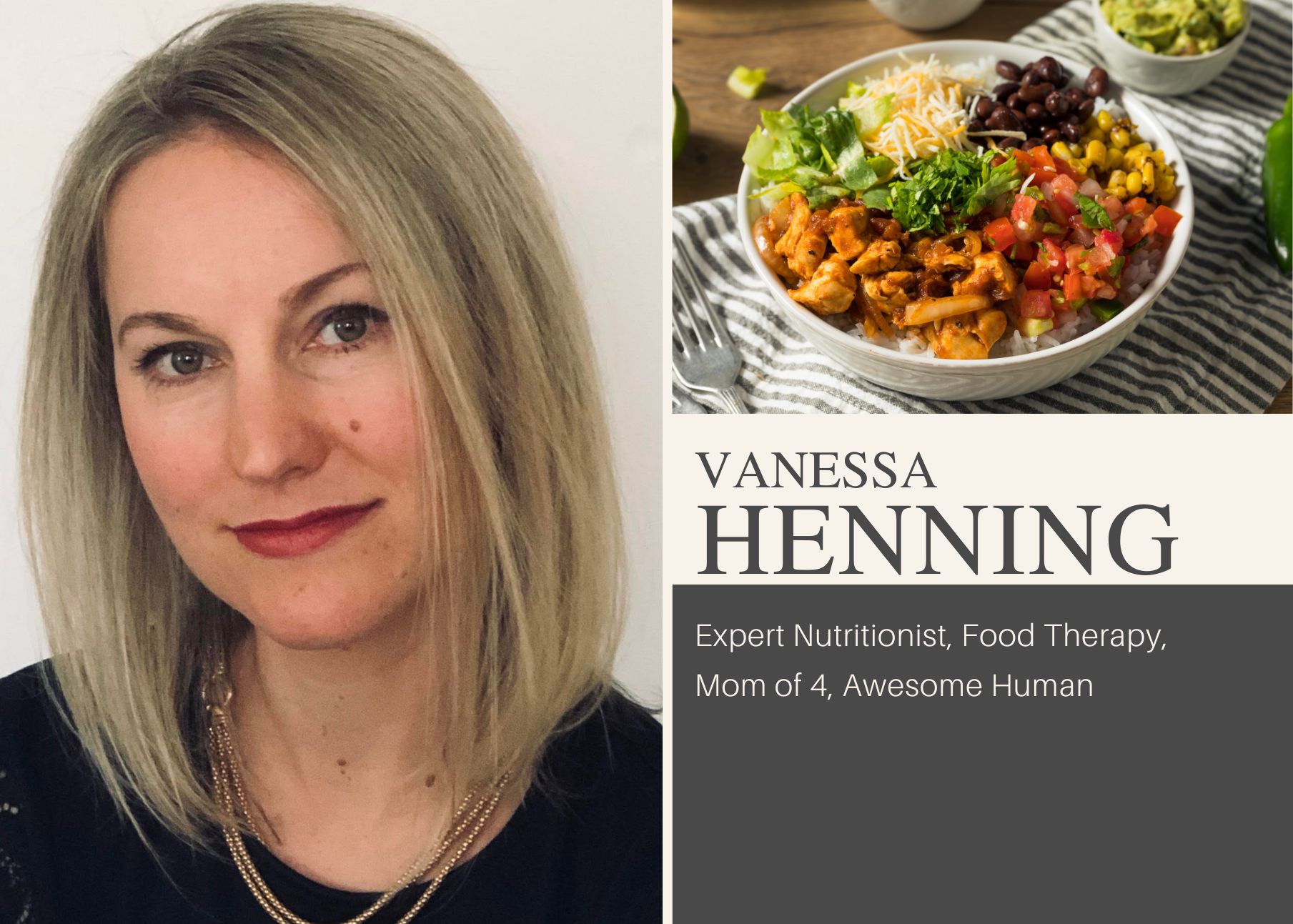
Vanessa Henning
Nutritionist | Food Therapy – www.food-therapy.org